
This post may contain affiliate links, which means I may earn a commission if you make a purchase or booking through my links, at no extra cost to you. As an Amazon Associate I earn from qualifying purchases.
If your goal is to visit all 63 U.S. National Parks, Bryce Canyon belongs high on the list of parks that simply don’t look like anywhere else.
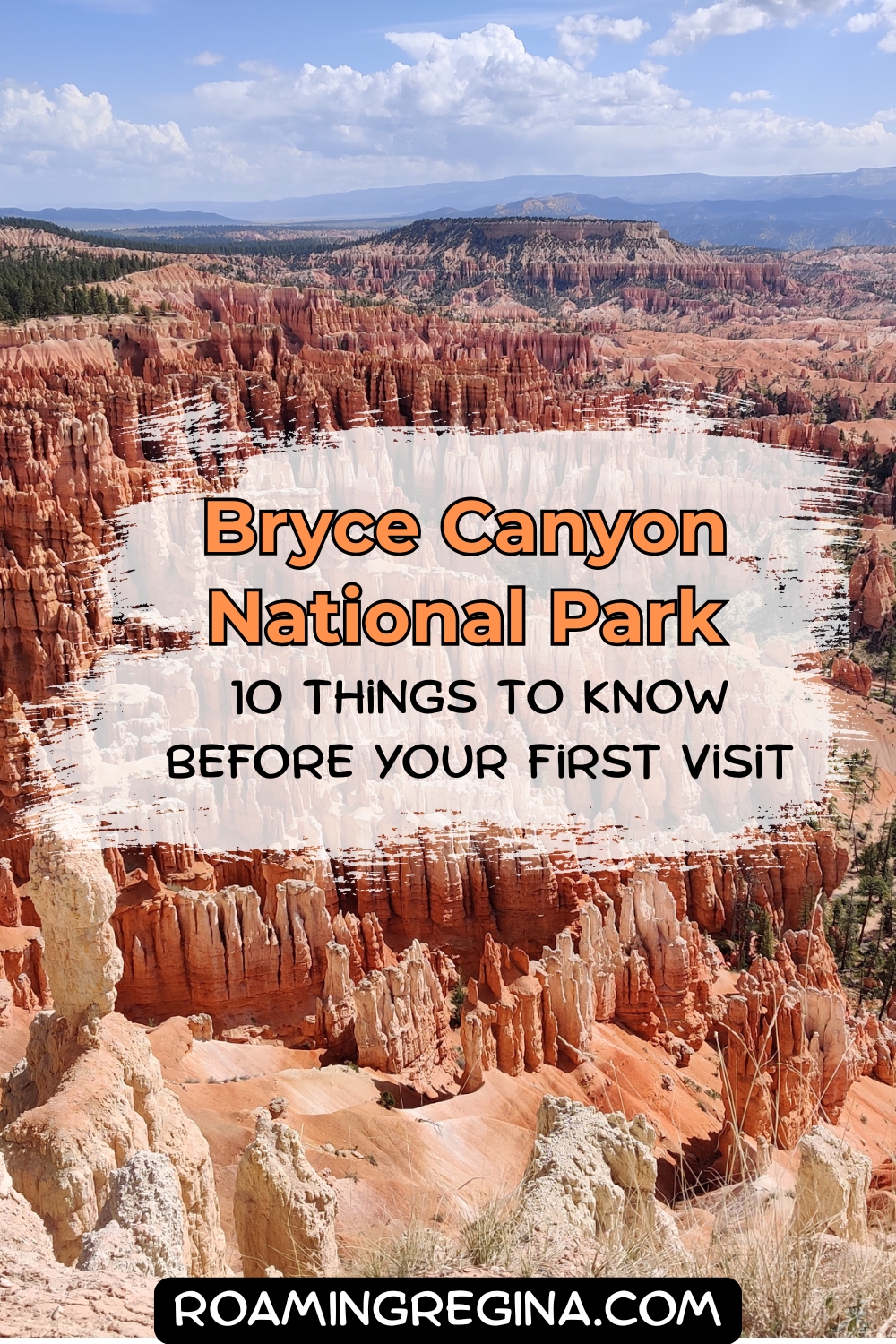
Thousands of orange, pink and white rock spires rise from enormous natural amphitheaters, creating the almost otherworldly landscape Bryce Canyon is famous for. And here’s your first Bryce Canyon fun fact: despite the name, Bryce Canyon isn’t actually a canyon. The park is made up of a series of horseshoe-shaped amphitheaters carved into the edge of Utah’s Paunsaugunt Plateau.
Bryce is also home to the largest concentration of hoodoos in the world. Hoodoos are irregular columns of rock gradually sculpted by weathering and erosion, particularly the repeated freezing and thawing of water in cracks in the rock.
Whether Bryce Canyon is one stop on a Utah Mighty 5 road trip or another checkmark on your journey to all 63 National Parks, here are the things I’d want to know before a first visit.

1. Start With the Bryce Amphitheater
If you have limited time at Bryce Canyon, concentrate first on the Bryce Amphitheater.
It sits along the first few miles of the park road and contains the incredible views most people picture when they think of Bryce Canyon.
Four of the major overlooks are here:
- Sunrise Point
- Sunset Point
- Inspiration Point
- Bryce Point
You could spend hours simply moving between these overlooks and watching the colors and shapes of the hoodoos change from every angle.
💡Regina’s Tip: Don’t feel like you need to choose just one viewpoint. Sunrise and Sunset Points are only about a half-mile apart along the Rim Trail, making it very easy to see both.

2. Don’t Just Look Down at the Hoodoos…Walk Among Them
Bryce Canyon is spectacular from above. But the experience changes completely when you hike below the rim.
Suddenly, instead of looking across a sea of hoodoos, you’re walking between them. For most first-time visitors who are comfortable with a moderate hike, I’d make this one of the priorities of the trip!
3. Hike the Queen’s Garden/Navajo Loop Combination
If you’re going to choose one Bryce Canyon hike, the Queen’s Garden and Navajo Loop combination is an excellent choice.
The loop is about 2.9 miles, generally takes two to three hours, and includes around 600 feet of elevation change. The recommended direction is to descend Queen’s Garden from Sunrise Point and climb back out using Navajo Loop toward Sunset Point. You’ll get expansive amphitheater views, narrow passages, towering walls and plenty of opportunities to see the hoodoos up close.
Remember one important Bryce rule: what goes down has to come back up. 😂 The hike out can feel much harder than the mileage suggests, especially because of Bryce Canyon’s elevation.
4. Sunrise Really Is Worth Getting Up For
Yes, there’s actually a Sunrise Point and a Sunset Point. But don’t let the names fool you. Most Bryce Canyon overlooks face east, which means early morning light often illuminates the amphitheater beautifully. The NPS lists Sunrise Point and Bryce Point among its popular sunrise choices.
At sunset, the sun is generally setting behind you rather than over the hoodoos. For evening light, try Inspiration Point. If you’re willing to get up early, sunrise would be my priority at Bryce.
📬 Want Bryce Canyon to Come to You?
Bryce Canyon is also the featured park in the September Visit All U.S. National Parks Mail Club.
Each month I send a mini National Park experience through the mail, including a 5×7 park postcard, collectible art card, stickers, a park story and activity, plus online extras accessed through a QR code.
Join by Sunday, September 20 to receive the Bryce Canyon mailing, which will ship by October 1st, 2026.
Sign up once and you’ll continue receiving a different National Park each month until you decide to cancel.
$9.99/month with FREE U.S. shipping.
If you missed our August 2026 inaugural mailing of Mount Rainier, you can still get it here while supplies last: Mount Rainier Mail Club past edition
5. Drive the Southern Scenic Drive
Don’t turn around after visiting the Bryce Amphitheater. Bryce has one main park road stretching about 18 miles from the entrance to Rainbow and Yovimpa Points. The section beyond the amphitheater is known as the Southern Scenic Drive.
Among the stops you’ll find along the drive are:
- Natural Bridge
- Agua Canyon
- Ponderosa Canyon
- Farview Point
- Rainbow Point
- Yovimpa Point
A smart way to do the drive is to travel all the way toward Rainbow and Yovimpa Points first and then stop at the overlooks as you return north. Most of the viewpoints will then be on the right side of the road.
If you like having someone explain what you’re seeing as you drive, I’m also a fan of GuideAlong. I’ve personally used their audio tours on National Park trips, and they have a Zion + Bryce Canyon tour that automatically plays stories, tips and information as you drive – no cell service required once it’s downloaded.
6. Remember: Bryce Canyon Is High
This is one of the easiest Bryce Canyon details to underestimate. The park averages around 8,000 feet in elevation, and its highest areas rise above 9,000 feet. That means two things. First, temperatures can be much cooler here than at some of Utah’s lower-elevation parks. Second, hiking may feel harder than expected, especially if you’ve just arrived from somewhere near sea level.
Take your time, drink plenty of water and pack layers even when the forecast looks comfortable.
7. Stay After Dark if You Can
Bryce’s scenery doesn’t disappear when the sun goes down. The park’s high elevation, clean air and remote location help make it one of the darker night-sky destinations in the country. Ranger-led astronomy programs may also be available depending on the season.
If your schedule allows, consider staying near Bryce rather than rushing onward to the next Utah park. That gives you the chance to see the hoodoos at sunset, look for the Milky Way after dark and still get up for sunrise the following morning.
8. Learn the Story Behind the Name
Bryce Canyon gets its name from Ebenezer Bryce, who settled in the area with his family in the 1800s. He’s reportedly credited with describing the maze-like landscape as a “hell of a place to lose a cow.” Stand at the rim and look across thousands of hoodoos and suddenly the story makes perfect sense.
And yes, there may just be a little more about that story in this month’s Bryce Canyon Mail Club mailing. 😉
9. Where to Stay Near Bryce Canyon National Park
Staying nearby makes it much easier to experience both sunset and sunrise without spending a huge part of your day driving.
Look for lodging around Bryce Canyon City or nearby Tropic, depending on your itinerary and budget. If Bryce is part of a longer Utah road trip, where you stay may also depend on which park you’re visiting next.
10. Combine Bryce With More of Utah’s Mighty 5
Bryce Canyon is one of Utah’s famous Mighty 5 National Parks, along with:
Zion National Park, Capitol Reef National Park, Arches National Park and Canyonlands National Park.
That makes Bryce especially easy to work into a multi-park trip — something I strongly recommend if your bigger goal is eventually to visit all 63 National Parks.
Utah National Parks Road Trip: The Ultimate 7-Day Mighty 5 Itinerary
Combining nearby parks can save both time and money while moving you several steps closer to that 63-parks goal.
Money-Saving Tips for Visiting National Parks
Planning to visit several of Utah’s parks on the same trip? GuideAlong also offers a Utah Mighty 5 bundle covering Zion, Bryce Canyon, Capitol Reef, Arches and Canyonlands, which can make more sense than buying individual tours!
How Much Time Do You Need at Bryce Canyon?
You can absolutely experience Bryce Canyon in a few hours, but I’d give it at least one full day if your itinerary allows. With half a day, focus on the Bryce Amphitheater and its major viewpoints. With one full day, add a hike below the rim and drive the Southern Scenic Drive. With two days, you’ll have time to slow down, hike more, stay for the night sky and experience both sunrise and sunset.
Bryce may be smaller than some of the National Parks on your list, but don’t mistake smaller for skippable. There really isn’t another landscape quite like it.
Happy Travels,
PS: Ready to Add Bryce Canyon to Your National Parks Journey?
Whether you’re standing at Sunrise Point watching the hoodoos glow or checking Bryce off on your journey to all 63, this is one of those parks that sticks with you. And if you can’t get to Bryce Canyon quite yet, I’ll happily bring a little piece of it to your mailbox!
Join the Visit All U.S. National Parks Mail Club by September 20th to receive the Bryce Canyon mailing.