
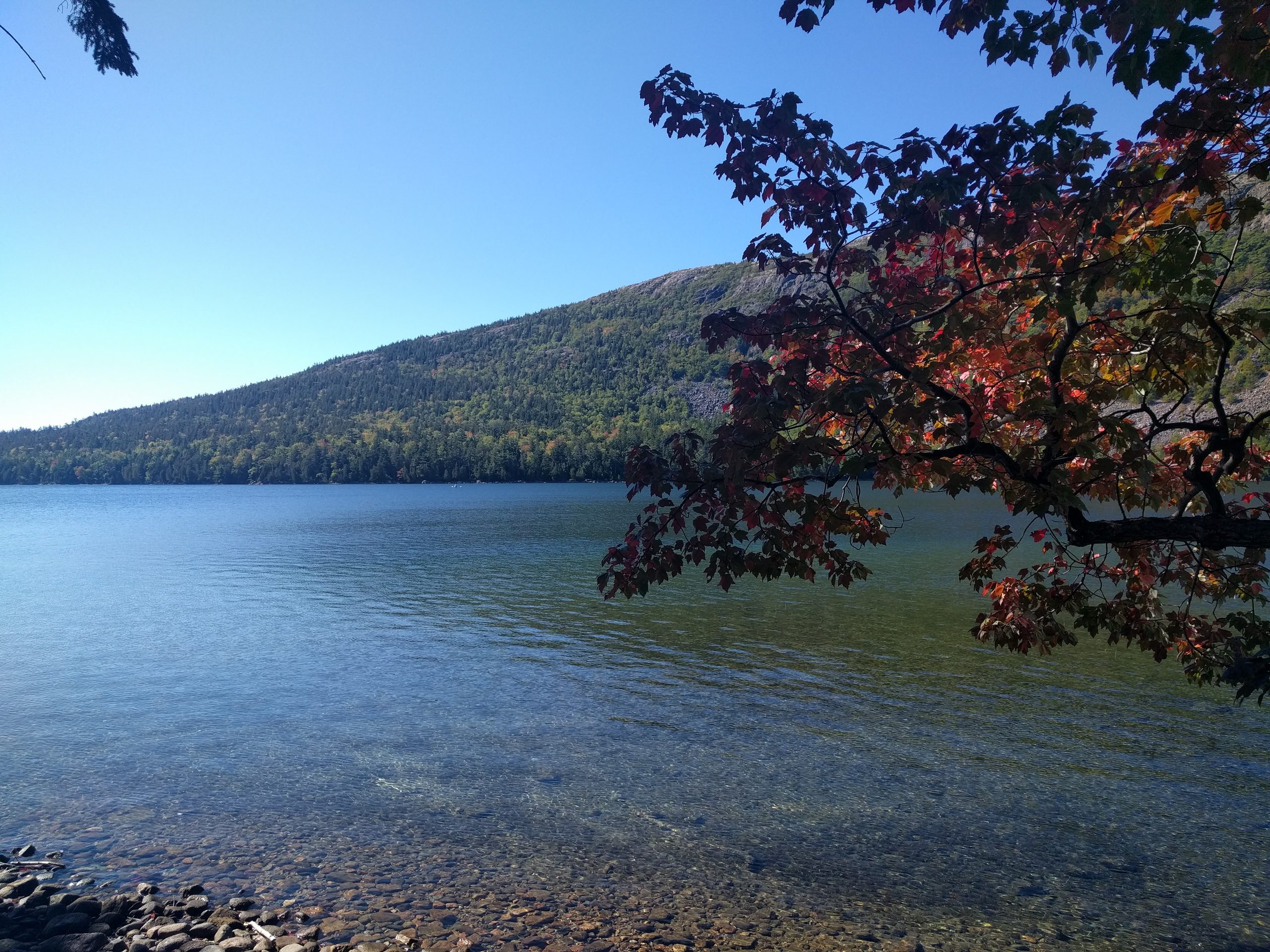
Visiting one National Park can be a fairly affordable vacation. Trying to visit all 63 U.S. National Parks? That’s when flights, hotels, rental cars, entrance fees, meals and all those little travel expenses really start to add up! But here’s the good news: you don’t need to take 63 separate expensive vacations to visit all 63 National Parks.
With a little planning, you can stretch your travel budget farther, combine several parks into a single trip and save money along the way. If visiting all 63 is on your bucket list, here are some of my favorite ways to make that goal a little more affordable.
This post may contain affiliate links, which means I may earn a commission if you make a purchase or booking through my links, at no extra cost to you. As an Amazon Associate I earn from qualifying purchases.
1. Combine Multiple National Parks Into One Trip
If your goal is to eventually visit all 63, this may be the biggest money-saving strategy of all. Instead of flying across the country for one park, look at the map and see what else you can visit while you’re there. Some National Parks pair together beautifully.
You can visit Yellowstone and Grand Teton on one trip.
In Utah, you can turn one road trip into visits to Arches, Canyonlands, Capitol Reef, Bryce Canyon and Zion – checking five National Parks off your list in one vacation.
Washington gives you Mount Rainier, Olympic and North Cascades.
And a road trip through northern California and southern Oregon can include Redwood, Lassen Volcanic and Crater Lake.
One airfare, one rental car and one road trip can get you several parks closer to your goal. That doesn’t mean cramming as many parks as possible into every vacation. You still want enough time to actually enjoy them! But when I plan National Park trips, I almost always look to see what other parks make sense geographically.
Want to start planning your own visit-all-63 goal?
Ultimate Guide to Visiting All 63 U.S. National Parks

2. Consider an America the Beautiful Annual Pass
If you’re visiting several fee-charging National Parks or other federal recreation sites in one year, do the math before paying entrance fees individually.
For 2026, the America the Beautiful Resident Annual Pass costs $80 for U.S. citizens and residents. The pass covers entrance fees and standard day-use fees at participating federal recreation sites.
At sites that charge by vehicle, it generally covers the passholder and passengers in one private vehicle. At sites that charge per person, it covers the passholder plus up to three additional adults.
There is also a separate annual pass for non-U.S. residents, and some visitors may qualify for Senior, Military, Access, 4th Grade or Volunteer passes.
If you’re serious about visiting all 63, an annual pass can make a lot of sense during a year when you have several park trips planned. Before buying one, take a few minutes to add up the entrance fees for the parks already on your itinerary and see which option works best for you.

3. Watch for National Park Fee-Free Days
Several times each year, National Park Service sites that normally charge an entrance fee waive that fee for eligible visitors.
And there’s one coming up very soon!
September 17, 2026 — Constitution Day — is an entrance-fee-free day at National Park Service sites for U.S. citizens and residents.
Other costs may still apply, including certain reservation, timed-entry and special-use fees, so check the individual park’s website before you go. If your schedule is flexible, fee-free days can be a fun excuse to plan a park visit or check another place off your list.
Just remember: you probably won’t be the only person who had that idea! Popular parks can be busier on free-entry days, so planning ahead is still important.
4. Visit During Shoulder Season
You don’t always have to visit a National Park during its most popular month. In fact, some of my favorite park experiences happen outside peak summer season. Depending on the park, visiting in spring or fall can mean lower hotel prices, fewer crowds and a completely different park experience.
The important part is researching the specific park before booking. September might be beautiful at one park and already bringing snow to another. Roads, visitor centers, shuttles and other services can also operate seasonally. A cheaper hotel isn’t much of a bargain if the road to the place you most wanted to see is closed!

5. Look at Lodging Outside the Park
I love historic National Park lodges, and sometimes staying inside a park is absolutely worth the splurge. But you don’t have to stay inside the park every time. Check nearby gateway towns and compare prices. Sometimes staying 20 or 30 minutes farther away can make a significant difference in the cost of a hotel — especially during peak season.
Before booking, I compare the savings with the added driving time. Saving $20 probably isn’t worth adding two hours of driving to every day, but a substantial difference in hotel rates may be. This is another reason planning early helps: the reasonably priced lodging closest to popular National Parks tends to disappear first.
Before you book, compare lodging both near the park entrance and in nearby gateway towns.
6. Compare More Than One Airport
The airport closest to a National Park isn’t necessarily the cheapest airport for your trip. Before booking a flight, look at several possibilities.
Could flying into a larger airport save enough money to make the longer drive worthwhile?
Could a different airport make it easier to turn the trip into a multi-park road trip?
When you’re trying to visit all 63, looking at the entire trip instead of simply searching for the closest airport can open up some interesting possibilities. Just be sure to compare the total cost. A $100 cheaper flight isn’t actually cheaper if it adds $150 to your rental car bill — or requires an extra hotel night.
7. Pack Food, Snacks and Plenty of Water
You don’t need to eat every meal inside a National Park. I like having snacks and drinks in the car anyway, because you never know how far you’ll be from the next place to buy something. Stop at a grocery store before entering the park and stock up on easy breakfasts, sandwich supplies, fruit, snacks and drinks. Even replacing one restaurant meal a day with food you’ve brought along can make a noticeable difference over a week-long road trip.
And there’s another advantage: instead of spending part of your park day looking for a restaurant, you might get to eat lunch at a beautiful overlook. That sounds like a win to me!
8. Bring the Basics With You
National Park trips have a way of making you realize exactly what you forgot to pack.
Sunscreen. A rain poncho. A reusable water bottle. A portable charger. Binoculars when there’s a bear way off in the distance.
Those last-minute purchases can add up, and your options may be limited once you’re inside or near a remote park. A little preparation before your trip can save both money and frustration.
I have a complete National Park packing list to help you figure out what you might need before you leave:
A few things I especially like having with me on National Park trips are:

You certainly don’t need to buy a pile of new gear every time you visit a park. The idea is just the opposite: bring the useful things you already have — and pick up anything you truly need before your trip rather than scrambling for it once you’re there.
9. Check the Schedule for Free Ranger Programs
Before automatically paying for a guided activity, see what the National Park Service is offering during your visit. Depending on the park and season, you may find ranger-led walks, wildlife programs, history talks, astronomy programs, evening programs and other activities. These can be some of the most memorable experiences you have in a park, and many ranger programs are free.
Check the park’s online calendar before your trip, and check again at the visitor center when you arrive. Programs vary by season and can change because of weather, staffing or other conditions.
Want More Guidance While You Explore?
If a ranger program doesn’t fit your schedule but you enjoy learning about what you’re seeing as you travel, another option I personally use is GuideAlong.
GuideAlong offers self-guided audio tours that play stories, tips and information automatically based on where you are driving. Once downloaded, the tours work without a data connection…a big plus in National Parks where cell service can be unreliable. I especially like that you can travel at your own pace rather than following a scheduled group tour.
GuideAlong also offers bundled tours for some of the multi-park trips I mentioned earlier, including Yellowstone + Grand Teton and Utah’s Mighty 5.
10. Use Park Shuttles When They Make Sense
Some of the busiest National Parks operate shuttle systems that can help you get around once you arrive. Depending on the park and the system, using a shuttle may save gas, cut down on driving and perhaps most importantly save you from circling crowded parking lots looking for a spot.
Always check the individual park’s current transportation information before your trip because routes, schedules, requirements and fees can change seasonally.Even when the financial savings are small, sometimes the reduction in parking stress alone makes the shuttle worthwhile.
11. Fill Up Before Heading Into Remote Areas
This one is simple but easy to forget. Before heading into a remote National Park, take a look at where the next gas station is…and don’t wait until the tank is nearly empty. Fuel options around some parks can be surprisingly limited.
I like starting a long park day with plenty of gas rather than worrying about where I’m going to find the next station. It also gives you a little more freedom to take that scenic drive or follow a road to an overlook you weren’t originally planning to visit.
12. Book Early…But Keep Checking
Popular National Park destinations can get expensive very quickly. If I know my travel dates, I like to start looking at lodging early. When possible, I’ll reserve a reasonably priced refundable option rather than waiting for the “perfect” hotel to appear.
Then I keep checking.
Sometimes another hotel opens availability. Sometimes prices change. Sometimes my itinerary changes and I find a location that works better. Just make sure you understand the cancellation policy before booking anything.
The same principle applies to rental cars and other major trip expenses: planning ahead gives you more choices.
Visiting All 63 Doesn’t Have to Mean 63 Expensive Vacations
Visiting all 63 U.S. National Parks is a big travel goal. But you don’t have to tackle them one expensive trip at a time.
Combine parks whenever it makes sense. Travel outside peak season. Compare lodging and airports. Bring the things you need. Take advantage of annual passes, fee-free days and free ranger programs.
A few smart decisions on every trip can make a real difference over the course of your journey to all 63.
And every little bit you save can go toward the next National Park on your list.
Isn’t that the goal?
Ready to start planning your own journey to all 63?
Happy Exploring!
Regina
P.S. Can’t make it to a National Park right now? The Visit All U.S. National Parks Mail Club brings a little piece of the parks to your mailbox 💌every month—with a postcard, stickers, collector card, stories and more. It’s a fun way to keep exploring all 63, even between trips.
